Precious coral
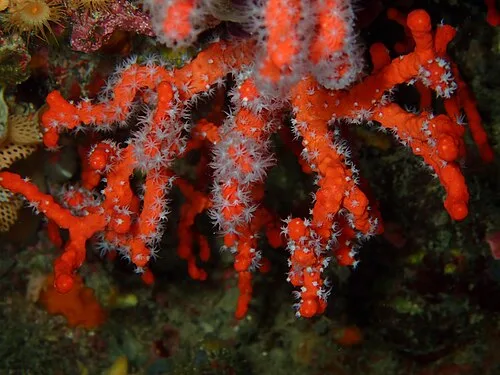
Coralliidae skeleton · CaCO₃ (calcite). Colors: white, pink, salmon, red.
- Mohs
- 3.5
- RI
- 1.486–1.658
- SG
- 2.8
- Crystal system
- organic
Precious coral at a glance.
- Species
- Coralliidae skeleton
- Formula
- CaCO₃ (calcite)
- Crystal system
- organic
- Mohs
- 3.5
- RI
- 1.486–1.658
- SG
- 2.8
- Colors
- white, pink, salmon, red
What the encyclopedia says.
4 passages, quoted as published. Each links to the full entry and the sources of its chapter.
Minerals, rocks, organic gems and man-made stones
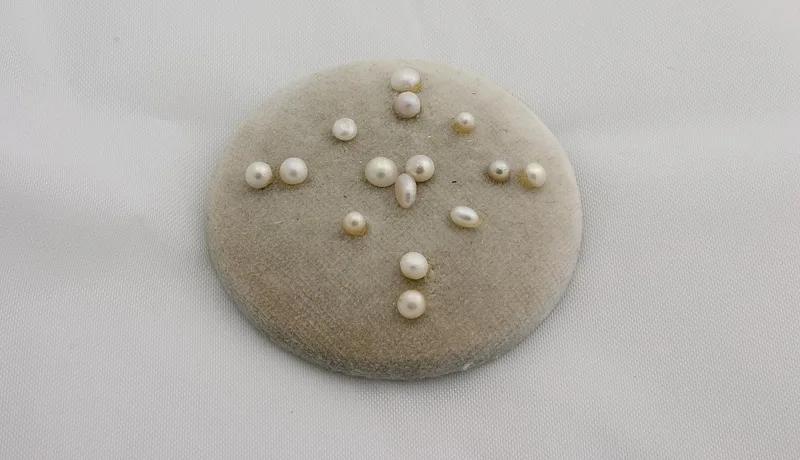
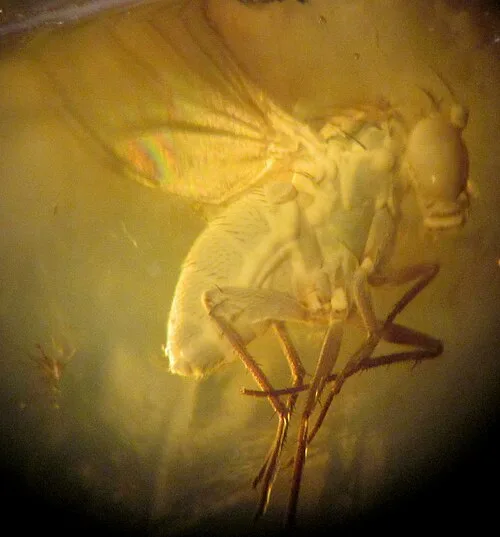
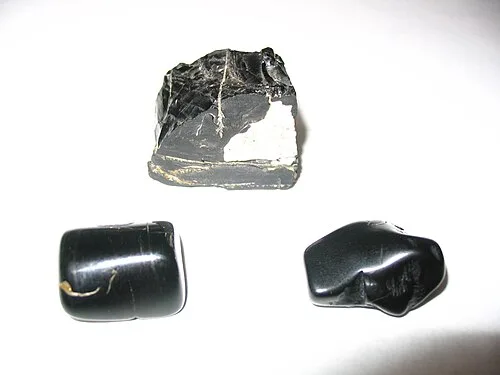
Several important gems do not. A rock is an aggregate of one or more minerals: lapis lazuli is a rock made mostly of blue lazurite with white calcite and brassy pyrite. A mineraloid is natural but lacks an ordered structure, and opal and obsidian are the usual examples. Organic gems come from living things. Pearl grows inside mollusks, precious coral is an animal skeleton, amber is fossilized tree resin and jet is a type of lignite formed from ancient wood.
Read the full entryCoral, amber, jet, ammolite, shell and ivory
Precious coral is the calcium carbonate skeleton of colonial marine animals of the family Coralliidae, in red, pink and white. Its standing under CITES is mixed. All black corals, the order Antipatharia, have been on Appendix II since 1981. Four Coralliidae species have been on Appendix III at China's request since July 2008. Mediterranean Corallium rubrum is not CITES-listed: proposals to list it were rejected in 1987, 2007 and 2010, with the advice that these long-lived species need effective local management instead.
Read the full entryDisclosure standards: CIBJO Blue Books and the FTC
Two codes set out what sellers must say about treatments. The CIBJO Blue Books, published by the World Jewellery Confederation, cover diamonds, colored gemstones, pearls, coral, precious metals, gemological laboratories and responsible sourcing. CIBJO calls them living documents reviewed annually and presents them as filling the near absence of ISO standards for the trade; it also records that a Munich court relied on them in 2004 when it stopped a seller using the term cultured diamonds. The Gemstone Book of December 2022 defines a treatment as a practice that artificially changes a gem’s appearance or durability, requires disclosure before the sale is completed and on invoices and in advertising, and sets codes including O for oil-filled, RES for resin-filled and F for fracture or glass filled. The 2024 Pearl Book lists bleaching, dyeing, irradiation, filling, coating, oiling, waxing and luster treatment among treatments that must be disclosed.
Read the full entryGems in scripture and sacred astrology
In Hindu astrology the navaratna, or nine gems, assigns a stone to each celestial body of the Navagraha: ruby for the Sun, pearl for the Moon, red coral for Mars, emerald for Mercury, yellow sapphire for Jupiter, diamond for Venus, blue sapphire for Saturn, hessonite for Rahu and cat's eye chrysoberyl for Ketu. The ruby sits at the center. The V&A's catalogue groups five maharatnani (diamond, pearl, ruby, sapphire, emerald) and four uparatnani (jacinth, topaz, cat's eye, coral), though these may vary. Astrological gem prescriptions are cultural and religious beliefs; no controlled study shows a stone changes its wearer's fortune.
Read the full entry
Seen the one
you want?
Name it in a brief. We find it in any producing country and have it tested independently.